Wire Recycling for Electrical and Telecom Contractors
Electrical and telecom contractors performing commercial installations, upgrades, renovations, and decommissioning projects often accumulate large amounts of wire. Instead of viewing it as just another piece of trash to dispose of, scrap wire recycling can be a recoverable business asset. Let us share with you what contractors can recycle, whether stripping is worthwhile, and how to manage large volumes of wire recycling efficiently.
What Types of Wire Can Contractors Recycle?
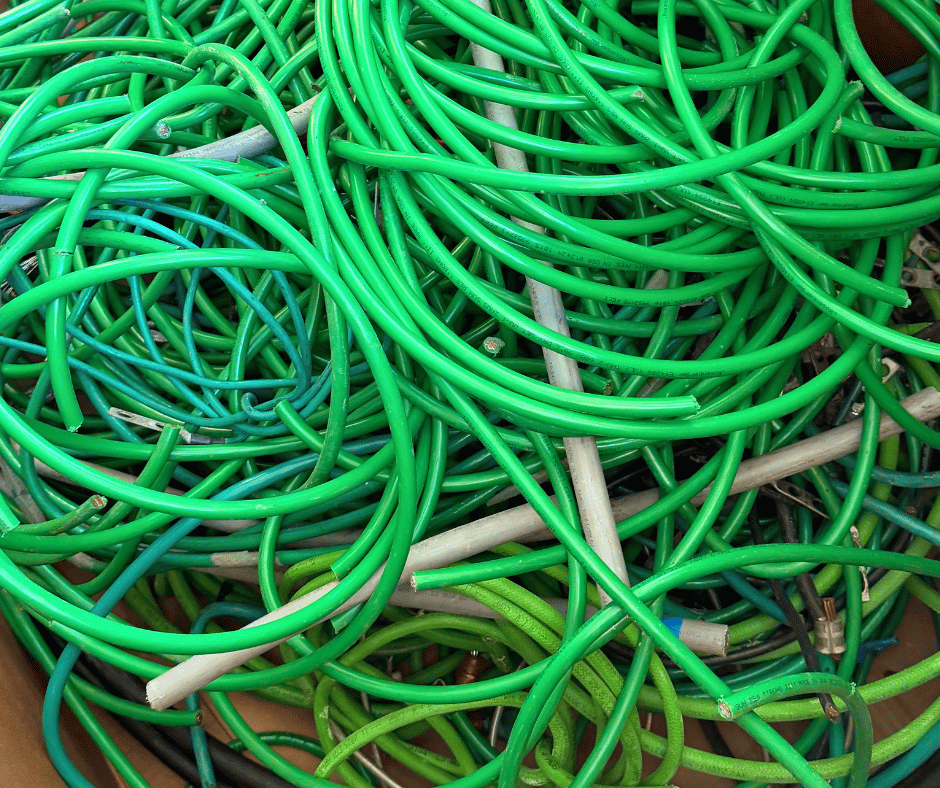
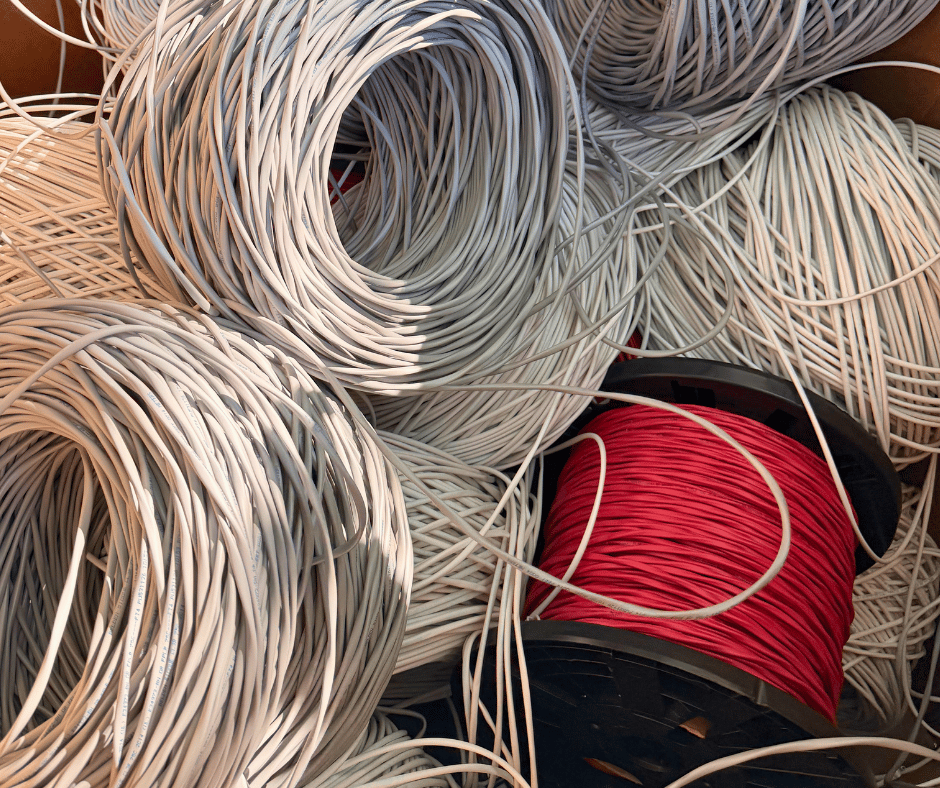
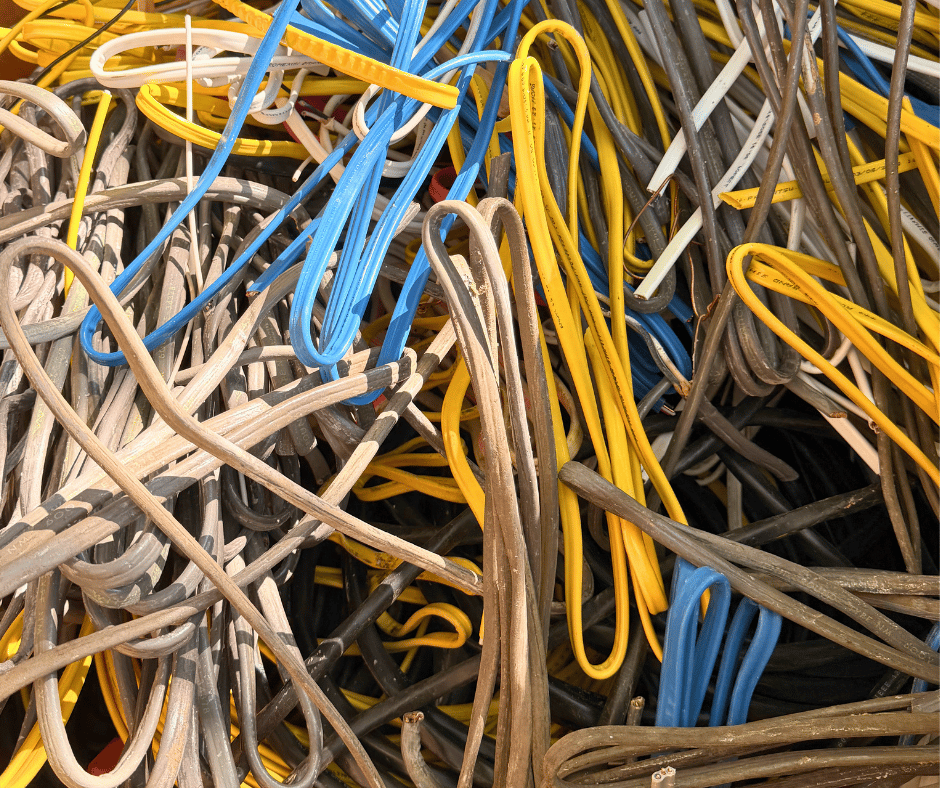
Depending on the project, contractors can recover different grades of recyclable wire. Common projects can include commercial electrical installations, telecom upgrades, security systems updates, data center decommissioning, and building renovations. At Community Recycling, we accept and pay for the following:
- #1 MCM
- Alarm Wire
- Cat 5 Wire
- Cat 6 Wire
- Heliax Wire
- Low-grade power cable
- Romex Wire
- THHN #1 Insulated Copper Wire
- Transformer Winding Copper
Stripped vs. Unstripped Wire: Is Stripping Worth Your Time?
Common questions we get here at Community Recycling are “Do you accept unstripped wire?” and “Is stripping wire worth your time?”
At Community Recycling, we do accept and pay for both stripped and unstripped wire.
Is it worth stripping the wire? Removing insulation, connectors, and other hardware from certain high-value wires can increase the material’s scrap grade and payout, since it takes less time and labor for the recycler crew to process.
However, stripping wire takes labor, so a higher payout doesn’t automatically mean stripping is more profitable for the contractor, especially if you pay your crew hourly. Thick, valuable cable may be worth stripping, especially if you have idle hands doing nothing else, but stripping large quantities of thin communication wire may not.
We recommend reviewing payout prices and deciding whether it is worthwhile for your business.
Wire Recycling on Large Commercial Projects
A contractor replacing electrical and communication infrastructure throughout a commercial office building or data center can accumulate hundreds or thousands of feet of obsolete cable. Rather than putting it into construction dumpsters, establishing a recycling process can:
- Recover value from materials
- Reduce disposal and hauling costs
- Support company sustainability initiatives
- Meet compliance requirements
- Keep work areas cleaner and safer
To do this or any other commercial project, an actionable system must be put in place and maintained to ensure efficiency.
How to Manage Scrap Wire Efficiently
Managing wire recycling can be as simple as the following 5-step system:
- Collect: Place dedicated scrap-wire bins near active work areas with clear labeling. Place these in dry areas and keep them free of trash and other debris.
- Sort: Separate wire grades and materials as you go. You can do this by using separate bins for each type or by building a sorting process into the project plan.
- Prepare: If you have chosen to strip the wire, you will want to plan for a dedicated time to do so. This can be at the end of the workday or after the job is completed.
- Secure: Wire recycling is a common theft target due to its high value. You will want to keep copper and other valuable wire in a secure, controlled area.
- Schedule: Establish routine recycling drop-offs or arrange for pick-ups to prevent scrap accumulation from getting out of hand.
Recycle Your Commercial Wire with Community Recycling
Wire recycling doesn’t have to be a burden for your business. Community Recycling is a convenient partner for electrical and telecom contractors, working with your business to make recycling easy.
Ready to get started? Contact Community Recycling for current pricing, help identifying your wire, or information about pickup options for a large commercial project.
YOUR PLANO WHOLESALE SCRAP METAL COMPANY

WHAT CAN COMMUNITY RECYCLING DO FOR YOU? Learn More About the Items We Accept