Construction Scrap Metal Recycling: Best Practices for Renovation and Decommissioning Projects
As a community, we are constantly upgrading our cities. Interior and exterior construction and renovation are a massive industry. However, what many don’t realize is the incredible waste these projects create. The EPA estimated that 600 million tons of construction and demolition debris were generated in 2018. While much of that goes on to be “next use” materials, massive tonnages, nearly 145 million tons, still ended up in landfills. Fortunately, there are steps businesses can take to address this concern, starting with construction scrap metal recycling.
What Metals Are Commonly Recovered During Construction and Renovation Projects?
Construction and demolition projects are among the largest generators of recyclable materials. No matter your industry sector, from plumbing to electrical, there is a wide range of metals that can be recovered and turned in for a cash return. Here are a few common examples:
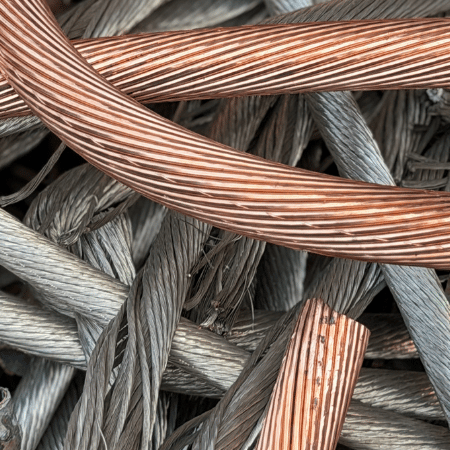
- Copper wiring and pipe
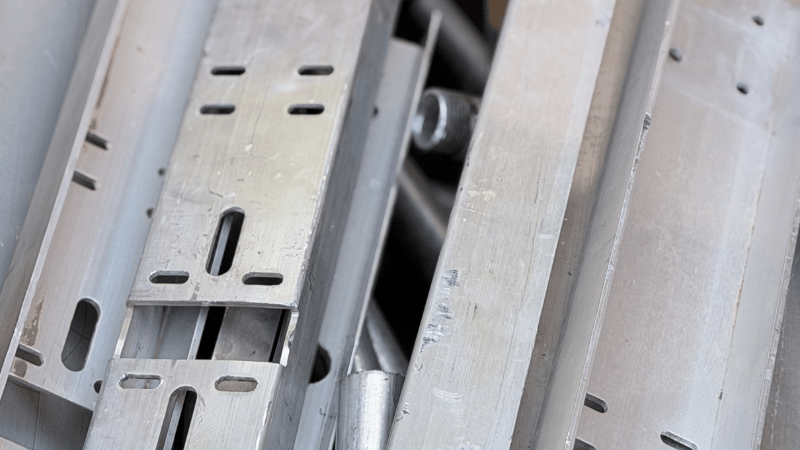
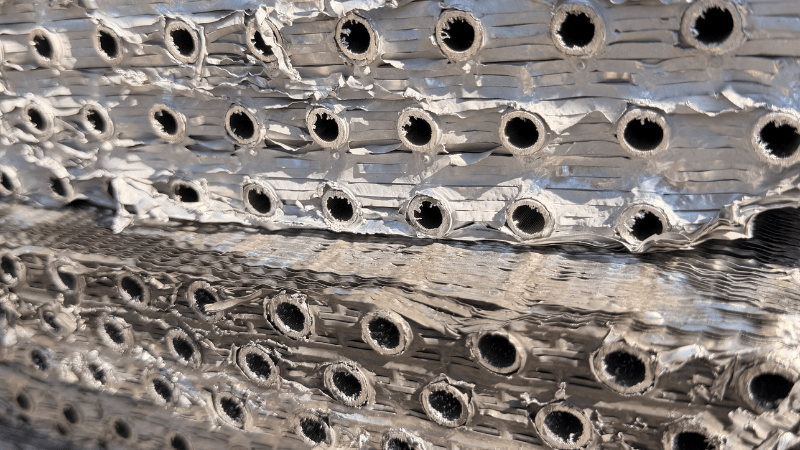
- Aluminum framing, siding, and HVAC components
- Brass fixtures and fittings
- Stainless steel equipment
- Electrical panels and wiring
- Industrial equipment from decommissioned facilities
By pulling out these items, you not only save them from ending up in a landfill, but there is significant value in scrap metal. By properly separating these and turning them in at a local recycling facility, you can reduce operating costs while putting cash back in your pocket.
Why Construction Scrap Metal Recycling Matters During Phased Projects
It can be tempting to hold onto construction scrap metal recycling until the end, with the idea of just turning it all in at once. However, that can create a series of problems since many renovation and decommissioning projects happen in stages.
Businesses should remove and recycle materials consistently, such as once a week or once a month, depending on the project’s material generation. In doing so, it prevents valuable metals from being mixed with general debris.
In addition to keeping your materials properly separated, consistent construction scrap metal recycling helps prevent valuable metals from being mixed with general debris. It also keeps your job site cleaner, safer, and compliant with project and environmental requirements. For example, we have seen with our customers that consistent scrap metal recycling improves business productivity and reduces downtime.
Scheduling Drop-Offs vs. Pickups: What Works Best?
So, how should you maintain a consistent recycling schedule?
For smaller projects, you will be doing a drop-off. We are available for buys Monday through Friday from 8am to 5pm, and Saturday from 8am to 12 pm. For more information on commercial scrap metal recycling best practices, click HERE.
Alternatively, larger renovations, commercial construction projects, and plant decommissioning jobs may generate enough material to qualify for pickup service. If you think that may be the case, simply contact us for more information, and we can work out a pickup schedule with you.
Construction Scrap Metal Recycling with Community Recycling
Recycling may feel like yet another step to add to your already busy schedule, but the payoff is worth the effort. Not only are you supporting green initiatives that improve your business reputation, but you are also reducing operating costs while getting cash back. If you are ready to make your world a little greener and your business even more profitable, contact us for advice on recycling for your business.
YOUR PLANO WHOLESALE SCRAP METAL COMPANY

WHAT CAN COMMUNITY RECYCLING DO FOR YOU? Learn More About the Items We Accept